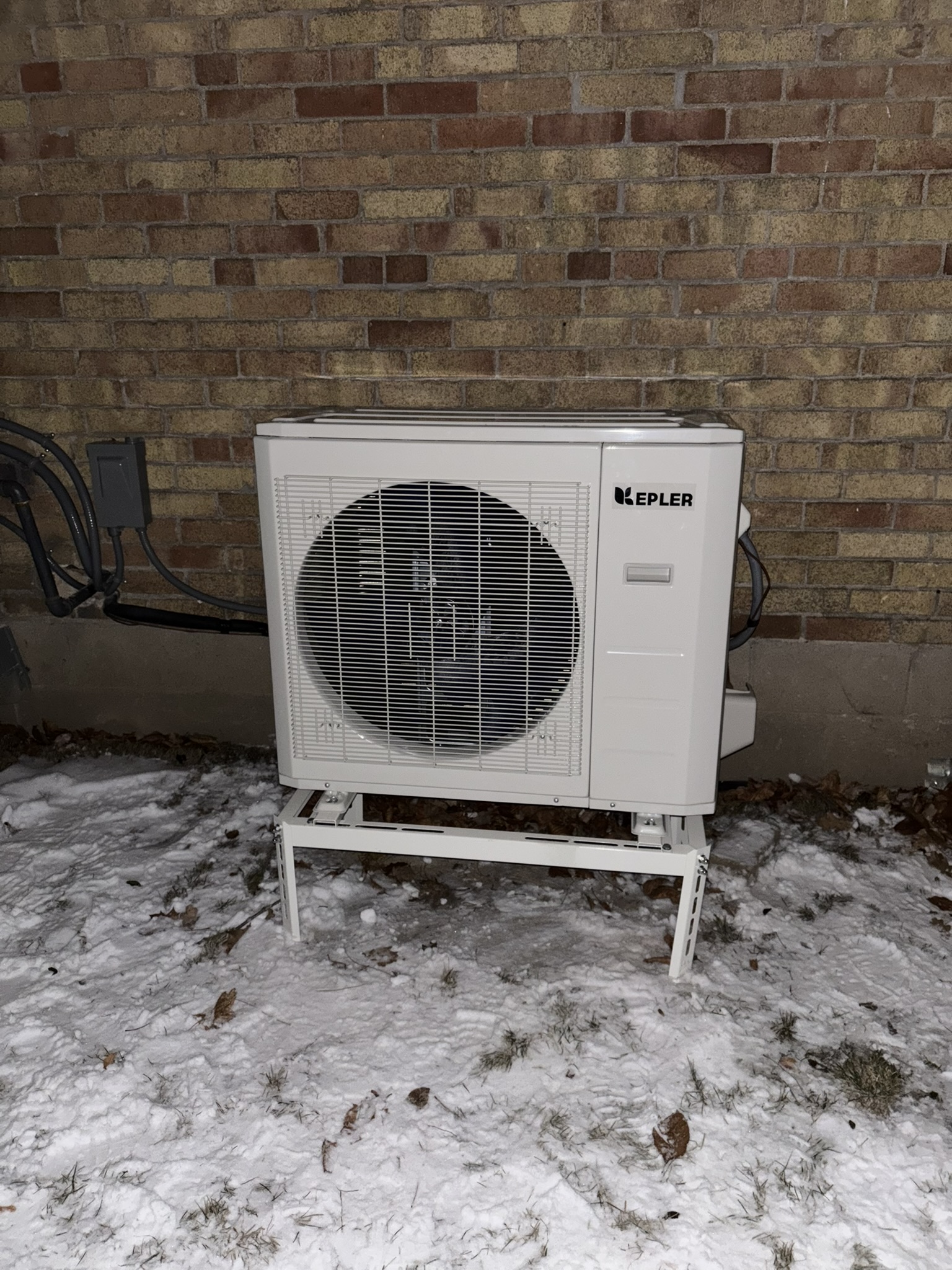
Choosing between a heat pump and a furnace is one of the biggest heating decisions a Toronto homeowner can make — and the right answer depends on your home, your budget, and how long you plan to stay. Both can keep your home comfortable, but they work differently, cost different amounts to run, and suit different homes.
Here is a practical comparison from our licensed HVAC technicians — focused on real Toronto winters, Ontario utility pricing, and what actually makes sense on a service truck across the city.
How Each System Works (Brief)
A gas furnace burns natural gas in a heat exchanger and uses a blower to move warm air through your ductwork. It is a proven technology: when the thermostat calls for heat, the burners ignite, the exchanger gets hot, and warm air rises to your rooms.
An air-source heat pump does not create heat by combustion. It moves heat between outdoors and indoors using refrigerant and a compressor — the same basic idea as your air conditioner, but reversible. In winter it extracts heat from outdoor air (even when it feels cold outside) and delivers it inside. In summer it removes heat from your home and dumps it outdoors for cooling.
Upfront Cost Comparison for Toronto Homeowners
In the GTA, a straight high-efficiency furnace replacement is typically the lower upfront investment compared to a full cold-climate heat pump system with proper electrical and outdoor unit placement. Heat pump projects often include line sets, pad or wall bracket, possible panel or circuit upgrades, and commissioning — all of which add to the sticker price.
That said, rebates and efficiency programs for clean heating change over time. Your contractor should help you stack eligible incentives and explain what equipment qualifies before you sign.
Operating Costs: Gas vs Electricity in Ontario
Most Toronto homes with a furnace see winter comfort billed primarily through Enbridge gas usage, while a heat pump adds meaningful hydro consumption because the compressor and fans run on electricity. Whether you save month to month depends on your rate plan, insulation, setpoints, and how cold the winter is.
During milder winter days — common in southern Ontario — efficient heat pumps can deliver heat very economically. On the coldest nights, backup heat (gas furnace, electric strip, or hybrid controls) may run more often, which shifts the math. A load calculation and operating cost estimate for your house beats any rule of thumb you read online.
Performance in Cold Toronto Winters
The old myth that “heat pumps do not work in Canada” is outdated for most of the GTA — but the concern is still valid if someone tries to install the wrong equipment. Standard heat pumps can lose capacity as the mercury drops. That is why cold-climate rated models, proper sizing, and defrost strategy matter in Etobicoke, North York, Scarborough, and lakeshore neighbourhoods where wind and humidity hit hard.
A well-designed system plans for January cold snaps. Many Toronto installs use a dual-fuel approach: heat pump as first stage, furnace for backup — so you are never guessing on the coldest night of the year.
Which Type of Home Suits Each System Best?
- Urban row or semi with good ductwork — Central heat pump or hybrid with existing ducts is often straightforward.
- Detached with large volume or leaky envelope — Start with insulation and air sealing; then compare furnace-only vs hybrid so equipment is not fighting the building.
- Older high-mass home with radiator history — If you still have ducts from a retrofit, a central heat pump may work; otherwise a furnace-centric plan may be simpler.
- Condo with fan coil or limited outdoor space — Equipment choice is driven by building rules and available infrastructure — not the same decision tree as a house.
If you are staying in your Toronto home for the long haul, ask your contractor about a cold-climate heat pump paired with smart controls. Modern units are engineered for Canadian temperature swings and, when commissioned correctly, deliver efficient heating on typical winter days while keeping backup heat ready for extremes.
Furnace: Lower upfront in many cases, powerful heat on the coldest days, burns gas.
Heat pump: Higher install cost potential, efficient electric heating in mild cold, doubles as summer A/C, best when sized for Toronto winters with backup planned.
Still unsure? Contact Epsilon Mechanical for an honest assessment — we will size the system for your home, not a brochure.
Frequently Asked Questions
Are heat pumps effective in Toronto winters?
Yes — modern cold-climate heat pumps are designed for Canadian winters. The key is correct sizing, quality installation, and a backup plan for extreme cold. Many GTA homes use hybrid systems so comfort never depends on a single technology during a polar vortex.
How much does a heat pump cost vs a furnace in Toronto?
Heat pump installations are generally higher upfront than furnace-only replacements because of equipment, electrical work, and labour scope. Incentives and long-term operating savings can change the lifecycle cost. Always get a written quote that lists equipment model numbers and warranty terms.
Can I use a heat pump with my existing ductwork?
Often yes, if your duct system moves air efficiently and was designed for the heat loss of the house. Your technician should measure static pressure and airflow before promising a drop-in solution.
Is a heat pump more energy efficient than a furnace?
Heat pumps can move more heat energy than the electrical energy they consume in moderate cold, which is why they are called efficient. Furnaces turn a high percentage of gas energy into heat at the burner. Which costs you less in dollars depends on utility rates, weather, insulation, and how you set your thermostat.