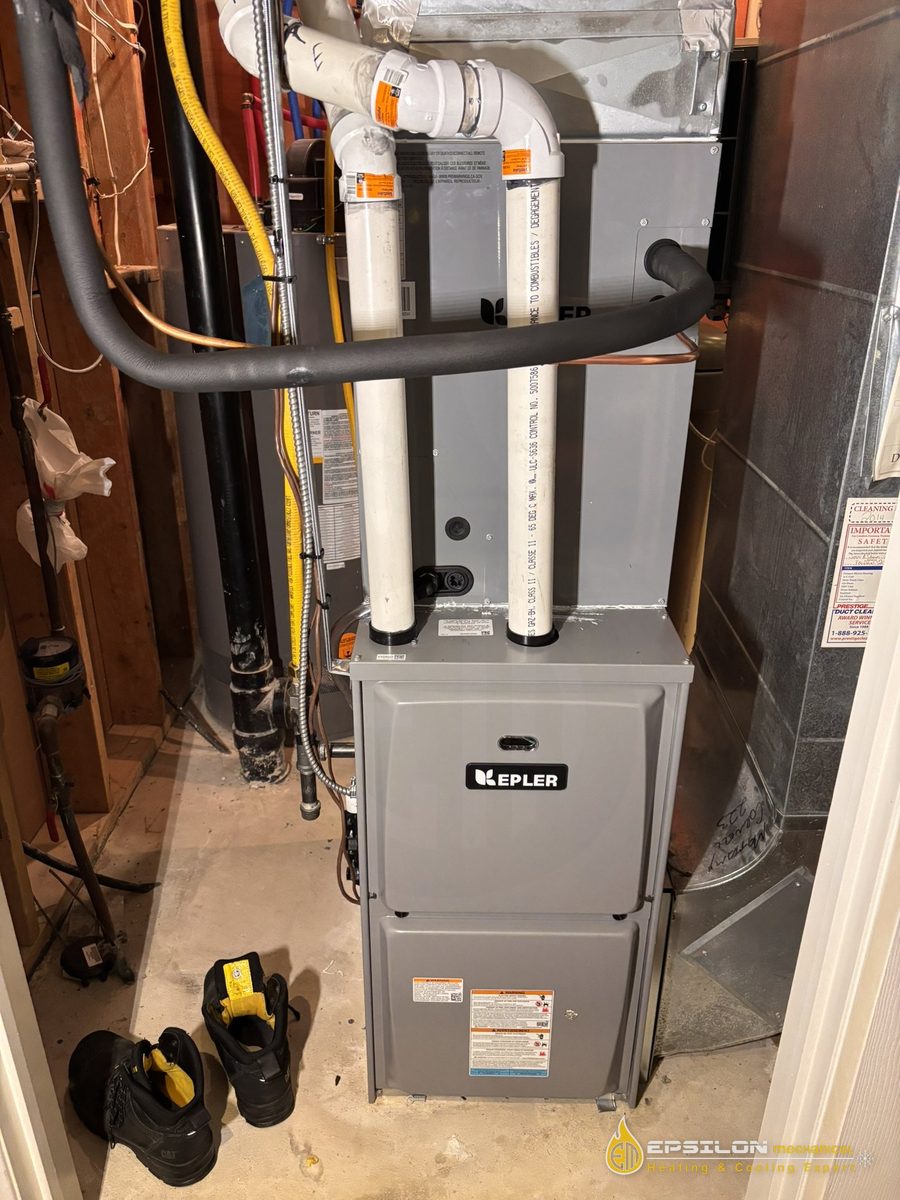
Customers ask me about brands constantly. Which one's the best? Which one should I avoid? And my answer disappoints people a little, because it's this: furnace quality has gotten a lot better across the board, there are many good brands, and the brand is not really what decides whether your furnace gives you trouble.
Who installs it does.
The Installer Matters More Than the Logo
Is the equipment sized properly for your house? Is the venting right? Is the gas pressure set to spec and the combustion checked with an analyzer before they leave? Those are the things that decide how a furnace behaves for the next fifteen years.
I'll tell you what our own callbacks look like. On the furnaces we've installed, we don't really get them. When we do, it's a basic wear item like an igniter or flame sensor years down the road. We haven't had defective equipment out of the box, on any brand we've put in. In my experience, when a newer furnace is having problems, nine times out of ten it comes back to an installation error, not the equipment.
So before you spend an hour comparing brands, spend it on the contractor. Licensed, TSSA registered, insured, and willing to show you their combustion readings.
Single-Stage, Two-Stage, or Modulating
This decision matters more than brand, and it's the one most people haven't heard of.
Two-Stage: Our Default
A two-stage furnace runs at a lower first stage for a stretch, say ten or fifteen minutes depending on how it's set, and only kicks into full output if that isn't enough. In the shoulder seasons that first stage is often all a Toronto house needs. Sometimes you just need a top-up, not a blast. For most homes this is where we land, and the price difference over single-stage is a few hundred dollars.
Single-Stage: Fine for Smaller Loads
Once you're down around 40,000 BTU of heating for a smaller house or unit, two-stage stops mattering much. I'll usually just put in a single-stage there and nobody notices the difference.
Modulating: Only If Comfort Is the Priority
I generally steer people away from modulating furnaces unless they truly prioritize comfort over the cost of the equipment and the cost of repairs. That's usually higher-end homes. The reason is that modulating adds more to go wrong: more sensors, different control boards, and it needs a communicating thermostat and outdoor sensors tied into the system. Repairs cost more too. A modulating inducer motor runs 30 to 40 percent more than a standard one; I've seen one cost $1,300 to $1,400 on its own. The control board is pricier as well. Beautiful comfort, expensive to keep.
Two-stage for most houses. Single-stage for small loads. Modulating only if you've decided comfort is worth paying for twice, once at install and again at every repair.
Where Brand Does Matter: Parts
Here's the one place the name on the box counts. The big brands, Goodman, Amana, Lennox, Carrier, Trane, run multiple warehouses and usually have parts in stock, even in the dead of winter when everything is flying off the shelves. Smaller or newer brands sell fewer units, so their parts aren't stocked as deep. If your furnace quits in January, that difference can be a day versus a couple of weeks.
That said, a lesser-known brand is fine if you maintain it and replace parts before they fail. Do your annual tune-up, listen when your tech says a motor is on its way out, and change it in the fall. Most of the parts-availability problem comes from people waiting for the failure in mid-winter.
One more thing, and this is my read on it rather than anything a manufacturer will tell you: parts get harder to find once a furnace passes the 10-year mark. New models ship with a 10-year parts warranty, so manufacturers keep parts stocked while they're on the hook. After that, stocking thins out. Worth knowing when you're deciding whether to repair a 12-year-old unit.
What a New Furnace Costs in Toronto
Our installed price for a new furnace runs $3,400 to $5,400 plus HST. Where you land in that range depends mostly on what the install involves: a mid-efficiency chimney-vented swap is a different job than converting to a high-efficiency unit that needs new PVC venting run to the outside. A new unit from us comes with a 10-year parts and labour warranty, which is a big part of why we'll often recommend replacement over an expensive repair on an old furnace.
Occasionally we get equipment at liquidation or scratch-and-dent pricing from our suppliers and pass that along to clients. It's not a regular thing and we'll always tell you when that's what's on offer. Be cautious about strangers online advertising furnace deals that look too good to be true. They usually are.
How We'd Spec Yours
We size it to the house, not to what the old one was. We'll tell you which staging makes sense for how you live. We'll recommend a brand whose parts we can actually get in February. And we'll show you the combustion numbers before we leave. If you're weighing a replacement, get a quote and we'll put it in writing with model numbers and the warranty terms.
If you're also wondering whether a heat pump should be part of the conversation, we've written up how we compare the two for Toronto winters.
Frequently Asked Questions
What brand of furnace is best for a Toronto home?
Furnace quality has improved across most brands, and in our experience problems on newer furnaces trace back to installation far more often than to the equipment. The place brand does matter is parts availability: Goodman, Amana, Lennox, Carrier and Trane keep parts stocked in multiple warehouses, which matters when a furnace fails in January.
Should I buy a single-stage, two-stage or modulating furnace?
Two-stage for most Toronto homes: the lower first stage handles shoulder seasons and the price difference over single-stage is a few hundred dollars. Single-stage is fine for smaller loads around 40,000 BTU. Modulating gives the best comfort but adds sensors, boards and a communicating thermostat, and repairs cost noticeably more.
How much does a new furnace cost installed in Toronto?
Our installed price runs $3,400 to $5,400 plus HST, depending mostly on the venting and what the install involves. A new unit comes with a 10-year parts and labour warranty.
Is a modulating furnace worth the extra cost?
Only if comfort is your top priority and you've accepted higher repair costs. A modulating inducer motor can run 30 to 40 percent more than a standard one, and the system needs a communicating thermostat and outdoor sensors. For most homes a two-stage furnace gives most of the benefit at a fraction of the complexity.